The Artful Revival: Why Hand-Drawn Floral Elements Elevate Modern Design
In a world saturated with sleek, minimalist graphics and perfectly symmetrical digital icons, a quiet but powerful countermovement is flourishing. The return of hand-drawn floral decorative elements speaks to a collective yearning for warmth, personality, and organic beauty in our visual spaces. These aren't the stiff, repetitive floral patterns of old clip-art libraries. Instead, they are collections of whimsical sketches, elegant ink traces, and playful botanical doodles that capture the imperfect charm of an artist's direct touch. This article explores this delightful design resource, explaining its significance, practical applications, and how you can harness its power to create outstanding, emotionally resonant designs.
From Sketch to Vector: Understanding the Hand-Drawn Floral Collection
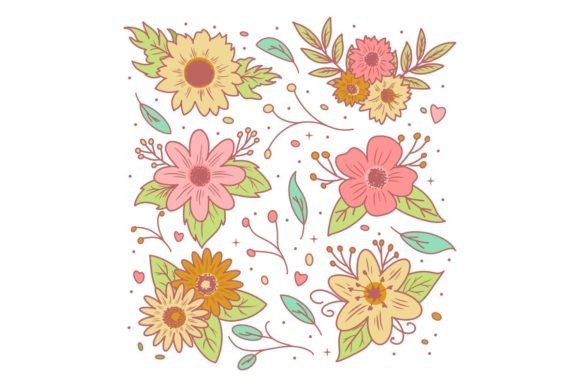
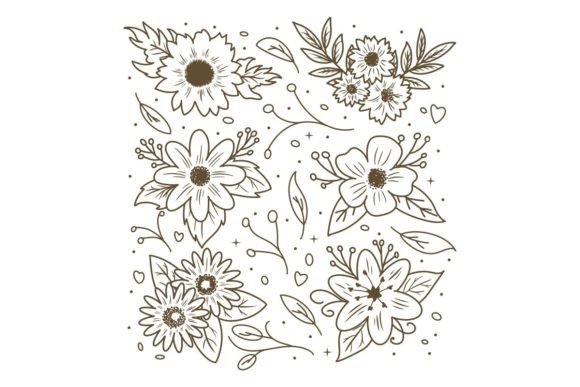
At its core, a hand-drawn floral decorative elements collection is a curated set of illustrated botanical motifs. Think of individual flowers, leaves, vines, petals, wreaths, and bouquets, each rendered as if drawn by hand with a pen, brush, or pencil. The key distinction from a simple photograph or a rigid graphic is the visible evidence of human craftsmanship—the varied line weights, the slight asymmetries, the gentle textures that mimic paper or canvas.
Perhaps the most crucial technical aspect for modern use is that these collections are typically provided in vector format. This means the artwork is constructed using mathematical paths and points rather than fixed pixels. The implications are profound:
- There is No Size Limit: A vector graphic can be scaled up to billboard size or down to a tiny icon without any loss of quality or resolution. The lines remain crisp and clear, making these elements infinitely flexible.
- Editable and Adaptable: Using software like Adobe Illustrator, designers can easily change colors, adjust line styles, or combine elements without degrading the original artwork.
- Versatile File Formats: As mentioned, these collections often include AI and EPS files alongside more common formats. AI files are native to Illustrator, while EPS is a legacy but widely supported vector format, ensuring compatibility across various professional design workflows and even with advanced printing systems.
This combination—the organic, heartfelt aesthetic of hand-drawing with the limitless scalability and editability of vector technology—makes these collections a uniquely powerful tool in a designer's arsenal.
The Purpose and Significance: More Than Just Decoration
Hand-drawn floral elements serve a deeper purpose than merely filling empty space. They act as emotional and psychological anchors within a design.
Injecting Humanity and Warmth
In digital interfaces, corporate communications, and product packaging that can feel sterile and impersonal, these elements introduce a note of human touch. They evoke feelings of craftsmanship, care, and natural growth, fostering a sense of trust and connection with the audience. A hand-drawn leaf on a website button can make the entire experience feel more approachable.
Establishing a Unique Brand Identity
In a competitive marketplace, standing out is essential. Pre-packaged, stock vector art can look generic. A coherent collection of hand-drawn florals, used consistently across logos, marketing materials, and social media, creates a distinctive and memorable brand aesthetic. It can convey values like creativity, sustainability, artisanal quality, or feminine elegance, depending on the style of the drawings.
Bridging Analog and Digital Worlds
For businesses rooted in physical craftsmanship (like stationery brands, boutique cafes, or wedding planners), these elements visually translate their analog ethos into the digital realm. They assure customers that the online presence is authentic to the real-world experience.
Practical Relevance Across Modern Life and Work
The application of hand-drawn floral collections is vast, touching numerous fields and daily activities.
In Business and Marketing
- Branding & Packaging: Used on product labels, shopping bags, and as part of a logo suite for businesses in beauty, wellness, food, fashion, and gifts.
- Digital Marketing: As engaging visuals for social media posts, email newsletter headers, and website hero sections to soften corporate messaging and increase engagement.
- Event Design: For creating invitations, menus, and programs for weddings, baby showers, and corporate galas with a personalized feel.
In Creativity and Personal Projects
- Stationery and Printables: DIY enthusiasts use these vectors to create custom wedding invitations, birthday cards, calendars, and planner decorations.
- Art and Merchandise: Artists incorporate them into larger compositions or use them to design sellable items like T-shirts, mugs, and wall art via print-on-demand services.
- Blog and Content Creation: Bloggers and content creators use them to beautify article headers, YouTube channel art, and podcast cover images, establishing a consistent, attractive visual theme.
In Education and Technology
- Educational Materials: Teachers and educational content designers use friendly, hand-drawn florals to make worksheets, presentations, and online learning modules more visually appealing and less intimidating for students.
- UI/UX Design: In mobile apps and websites, especially those targeting wellness, creativity, or lifestyle, these elements can be used as subtle background patterns, illustrative icons, or loading animation graphics to enhance user experience with a calming aesthetic.
Clarifying Common Misunderstandings
Several assumptions about hand-drawn elements can prevent designers from fully embracing them.
Misunderstanding 1: They Look "Unprofessional" or "Childish"
This is perhaps the biggest hurdle. The term "hand-drawn" might conjure images of amateur scribbles. However, professional collections are crafted by skilled illustrators. The "hand-drawn" quality refers to the style—it is intentional, refined, and often highly sophisticated. It conveys artfulness, not incompetence.
Misunderstanding 2: They Are Difficult to Use Technically
Because they are vectors, they are actually one of the most flexible and easy-to-use assets. The fear might stem from not knowing vector software. However, many modern design tools, including some web-based platforms, now support SVG (a web vector format), making integration easier than ever. Furthermore, their scalability means you never have to worry about finding a "higher resolution" version.
Misunderstanding 3: They Are Only for "Feminine" or "Vintage" Projects
While they excel in those contexts, the style spectrum is broad. Hand-drawn florals can be bold and geometric, minimalist and modern, or wild and abstract. They can accent tech startup branding to suggest growth and innovation or be used in a masculine context with strong lines and dark color palettes. The application defines the perception.
Getting Started: How to Use a Collection to Create Outstanding Designs
Imagine you've acquired a high-quality freebie collection, as described. Here’s a practical pathway to turning those files into compelling design work.
- Audit Your Assets: Open the collection. Look at the AI or EPS files in your vector software. Familiarize yourself with the different elements—individual blossoms, foliage clusters, full arrangements. Group them mentally by style and complexity.
- Define Your Color Palette: Vector elements are typically black outlines or simple fills. This is your opportunity. Recolor them to match your project's palette. Use harmonious, natural tones for a soft look, or bold, contrasting colors for a vibrant, contemporary feel.
- Combine and Layer: Don't use elements in isolation. Build small scenes by layering a flower over a leaf cluster, or weaving a vine around a text box. This creates depth and a more custom illustration feel.
- Integrate with Other Design Principles: Pair the hand-drawn florals with clean, modern typography and ample white space. This contrast prevents the design from feeling cluttered or overly traditional and highlights the beauty of the illustrations.
- Think Beyond the Obvious: Use a single, small leaf as a repeated pattern for a website background. Use a delicate wreath as a frame for a portrait photo. Use a loose bouquet as a watermark on documents. Experimentation reveals unique applications.
Building a Broader Understanding: The Future of Design Aesthetics
The resurgence of hand-drawn elements, particularly floral ones, is part of a larger trend toward authenticity and tactile sensibility in digital design. As technology becomes more immersive and AI-generated art becomes more common, the human element—the slight wobble in a line, the unique interpretation of a natural form—becomes more valuable. It signifies intention and individual perspective.
For the general reader, understanding this resource demystifies the visual world around them. It explains why a particular brand's packaging feels so special, or why a website seems particularly inviting. It also empowers non-designers to enhance their own projects, from a family newsletter to a personal blog, with accessible, beautiful art that carries emotional weight.
In conclusion, a hand-drawn floral decorative elements collection is far more than a bundle of pretty pictures. It is a bridge between human artistry and digital practicality, a tool for emotional communication, and a key to creating distinctive, engaging visual narratives across every facet of modern life. By embracing its organic charm and technical versatility, anyone can infuse their designs with a breath of fresh, creative air.