The Artistic and Commercial Appeal of Watercolor Floral Illustrations
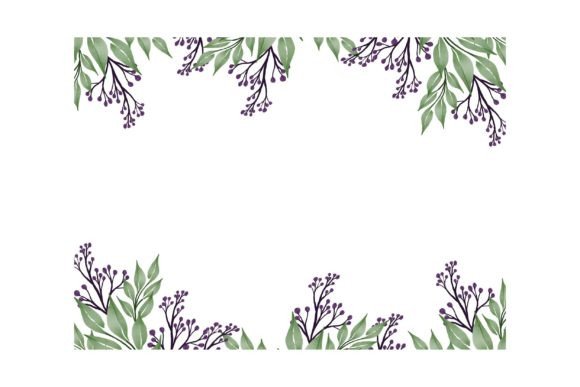
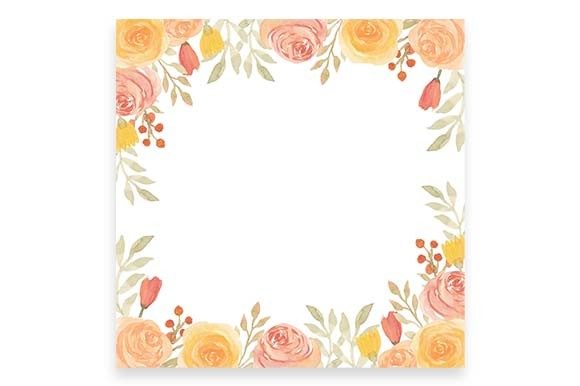
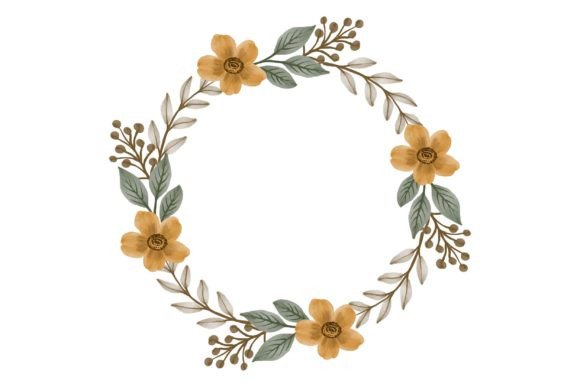
The digital landscape for creative assets is vast, yet certain styles possess a timeless charm that transcends fleeting trends. Among these, the aesthetic of watercolor florals holds a distinct and enduring position. A particular example, an Orange Floral Watercolor Frame and Illustration of arrangement watercolor floral, embodies this blend of artistic grace and practical utility. This specific piece is not merely a static image; it is a versatile resource designed for adaptation across numerous mediums and projects.
Core Characteristics of a High-Quality Floral Watercolor Asset
Understanding the value of such an illustration begins with examining its inherent qualities. A well-executed digital watercolor floral illustration, like the orange-themed frame mentioned, typically exhibits several key features. The texture often mimics the soft, translucent bleed of physical watercolor paints, with gentle gradients and organic blending of hues. The color palette, centered here on shades of orange, can evoke warmth, energy, and vibrancy. The composition frequently balances structured elements, like a defined frame or arrangement, with the free-flowing, spontaneous feel characteristic of watercolor techniques. This duality—structure within fluidity—is part of its appeal.
Furthermore, the technical delivery of the asset is crucial for its versatility. The provision of the illustration in multiple file formats directly impacts its usability. The .EPS 10 format is a vector file, meaning the artwork is composed of scalable paths rather than pixels. This allows for infinite resizing without loss of quality, essential for applications ranging from a small card to a large fabric print. The .JPG format offers a compressed, raster image suitable for general digital use where a smaller file size is beneficial, such as web graphics or quick previews. The .PNG format provides a raster image with support for transparency, enabling the floral elements to be cleanly placed over other backgrounds without a white bounding box, ideal for digital compositing.
Primary User Groups and Their Motivations
The audience for this type of creative resource is broad, each group approaching it with different needs.
- Professional Designers and Agencies: These users seek efficiency and quality. A ready-made, high-resolution watercolor floral illustration serves as a premium starting point or accent component for client work. It can be integrated into larger branding projects, advertising campaigns, or product designs, saving hours of custom illustration time while maintaining a professional aesthetic.
- Small Business Owners and Entrepreneurs: Individuals running cafes, boutiques, online stores, or craft businesses often need attractive marketing materials without a dedicated design budget. This illustration can be applied directly to create cohesive branding for invitations, cards, mugs, and tee-shirts, providing a handmade, artisanal feel that resonates with certain customer bases.
- Hobbyists and Crafters: This group values the joy of creation and personalization. The asset can be used in DIY projects for home decor, custom gifts, or personal stationery. The ability to print the design onto fabric for sewing projects or use it as a wreath template exemplifies its hands-on utility.
- Educators and Content Creators: Teachers might use such peaceful, natural imagery in educational materials or classroom decor. Bloggers, video creators, and social media managers could employ it as a wallpaper background or graphic element to soften and beautify their digital content.
A Practical Exploration of Use Cases
The real-world relevance of this floral watercolor frame is best demonstrated through its potential applications. Each use case highlights different aspects of the illustration’s flexibility.
Physical Product Customization
Applying the design to physical goods is a direct process thanks to the provided file formats. For print-on-demand services or local printers, the vector EPS file ensures logos on mugs or large art prints remain crisp. The transparent PNG allows the floral arrangement to be cleanly superimposed onto product mockups or photographs. The warm orange tones can make a product feel inviting and unique, potentially increasing its perceived value.
Digital Environment Enhancement
In digital spaces, the illustration serves aesthetic and functional roles. As a website header background or desktop wallpaper, it creates an atmosphere of calm creativity. The framed composition can act as a border for text in digital invitations or e-cards, marrying the traditional feel of a watercolor painting with modern digital delivery. Its non-aggressive, natural theme makes it suitable for a wide range of contexts without clashing with other content.
Creative Project Foundations
For those engaged in more complex creative work, the illustration becomes a foundational layer. Graphic designers might deconstruct the frame, using individual floral elements across a branding suite. Crafters could trace elements from the illustration for hand-painted projects, using the digital asset as a reference. The fact that it is an arrangement watercolor floral means it offers a complete, balanced scene that can be used whole or in parts.
Advantages and Considerations for Potential Users
Choosing to utilize a pre-made illustration like this involves weighing its benefits against certain practical considerations.
The advantages are significant. Time Efficiency is paramount; a quality artwork is available immediately. Cost-Effectiveness is also key, as licensing a single versatile asset is often far less expensive than commissioning a custom illustration. Consistent Quality is assured, as the artwork is produced at a high standard. Multi-format Availability, as included here, removes technical barriers for users with different software proficiencies, from professional Adobe suites to simpler home printing programs.
Users should also consider a few points. The specific color scheme, like the dominant orange, must align with the intended project's palette or brand colors. While versatile, the artwork has a fixed stylistic theme; it may not suit projects requiring a minimalist, geometric, or photorealistic style. Understanding license terms is essential, even for broadly usable assets, to confirm permissible commercial or personal use limits.
Observing Integration into Modern Design Trends
Currently, there is a noticeable trend towards designs that feel human-made and authentic in a digitally saturated world. A watercolor floral illustration fits perfectly within this movement. Its soft imperfections and artistic texture counterbalance the sharp precision of most digital interfaces. The orange floral watercolor frame, in particular, taps into the popularity of warm, earthy tones and natural motifs in contemporary design, from website themes to product packaging. It represents a bridge between traditional art forms and modern digital application.
In practice, one might observe this style used by wellness brands to convey tranquility, by creative businesses to express their artistic core, or by event planners to design elegant, custom stationery. Its appeal is not niche; it is adaptable to contexts that seek to inject a measure of organic beauty and handmade character.
Final Thoughts on Versatile Creative Resources
The utility of a single, well-crafted digital illustration can be extensive. An asset such as the Orange Floral Watercolor Frame provides more than just a picture; it offers a stylistic toolkit. Its value is derived from both its artistic merit—the pleasing arrangement, the skilled watercolor simulation—and its technical preparation for real-world use. For the professional, it is a time-saving component. For the entrepreneur, it is a branding aid. For the hobbyist, it is a source of inspiration and a ready-to-use pattern.
The inclusion of multiple file formats speaks directly to a user-centric design philosophy, anticipating the varied needs of a broad audience. By focusing on practical applications—from wallpapers to wearable art—the discussion moves beyond abstract art critique into the realm of tangible creation. Whether the goal is to decorate, to market, to educate, or to craft, resources of this nature democratize design, allowing individuals and businesses with varying levels of expertise to incorporate high-quality artwork into their lives and work.