The Valentine Floral Graphic: Understanding Its Formats and Creative Potential
In the realm of digital design assets, particularly those themed for specific occasions, graphics packages offer creators a significant head start. The Valentine Floral Graphic represents a specific type of such a resource, a curated collection of digital files centered around a floral theme tailored for Valentine's Day or love-themed projects. What distinguishes this offering isn't merely the romantic motif, but the practical bundle of multiple file formats it provides. When evaluating this kind of product, the key considerations often revolve around versatility, editability, and the technical specifications that determine real-world usability.
Core Components and Technical Specifications
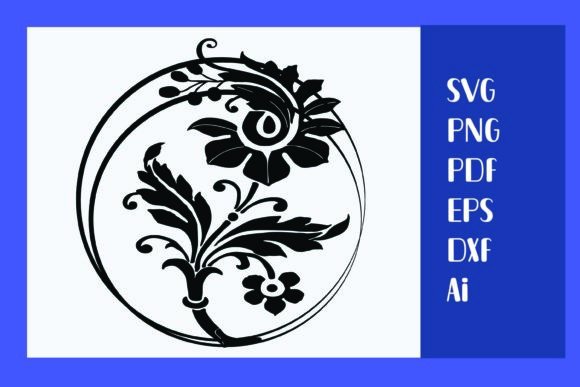
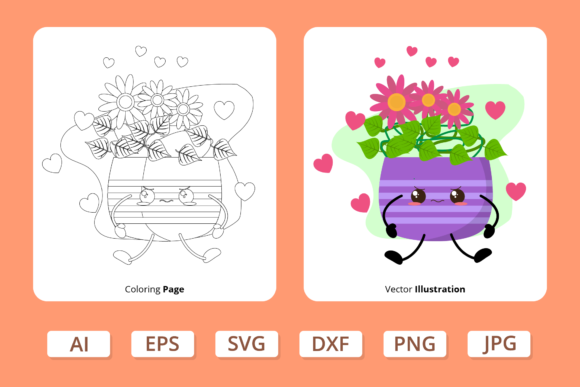
The Valentine Floral Graphic package is defined by its deliverables: six digital files at a canvas size of 1920px by 1280px. This resolution is a common high-definition standard suitable for many digital and print applications without immediate scaling concerns. The included formats—AI, EPS, SVG, DXF, JPG, and PNG—cover a spectrum from vector to raster, each serving distinct purposes in the design workflow.
A vector file like the included AI (Adobe Illustrator native) or EPS is fundamentally different from a raster image like JPG or PNG. Vector graphics, including the SVG format, are composed of paths defined by mathematical points, allowing them to be scaled to any size without loss of quality. This is crucial for projects where the graphic might need to be blown up for a large poster or minimized for a small icon. The DXF file, often used with computer-aided design (CAD) and engraving software, extends the utility beyond typical graphic design into areas like sign-making or laser cutting. The inclusion of both JPG and PNG provides ready-to-use raster options; the PNG, with its potential for transparency support, is particularly valuable for overlaying the design onto other backgrounds.
Evaluating Versatility Against Project Needs
When comparing this bundle to other single-format graphic purchases, the primary advantage is adaptability. A designer or crafter who only acquires a JPG file, for instance, is locked into a fixed pixel dimension. If they need to alter the color of a specific flower or separate an element from the background, the process can be labor-intensive and quality-damaging. With the Valentine Floral Graphic's vector source files (AI, EPS, SVG), such edits become straightforward within compatible software. You can recolor individual elements, rearrange components, or extract a single rose from the arrangement with precision.
The tradeoff, however, lies in the requirement for specific software and knowledge. To fully exploit the AI or EPS files, you need access to and a working familiarity with Adobe Illustrator or similar vector editing programs. The SVG file is more widely supported across modern software, including free and online tools. If your workflow is primarily based on simple photo editing or word processing software that only accepts JPG/PNG, the vector files may represent unused potential. Therefore, the value of the Valentine Floral Graphic escalates significantly for users who operate within professional design ecosystems or who wish to have the flexibility for future, more complex projects.
Distinctiveness in a Crowded Market
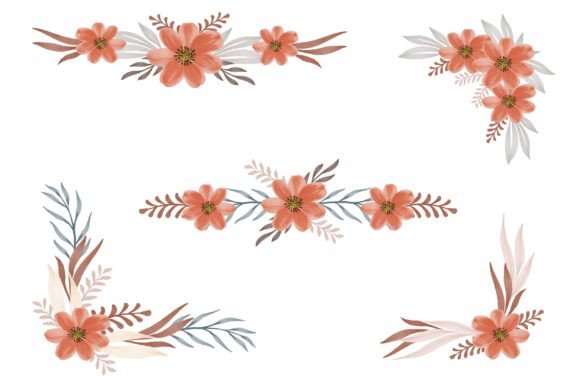
The market for Valentine-themed graphics is vast, ranging from minimalist line art to hyper-realistic photography. This particular Valentine Floral Graphic occupies a middle ground—it is likely a stylized, artistic composition rather than a photograph. Its distinction comes from the comprehensive multi-format delivery paired with a specific, generous canvas size. Many graphic sellers offer only PNG and JPG; some might include SVG. Offering a suite that includes the proprietary AI format and the niche DXF format indicates a product aimed at both graphic designers and makers who use technical fabrication tools.
Compared to purchasing individual graphics piecemeal, this bundle consolidates resources. However, compared to subscribing to a large stock asset library, it is a one-off, themed purchase. Subscription libraries offer immense variety but often provide graphics in limited formats (typically raster) and with recurring costs. The Valentine Floral Graphic is a fixed-cost solution for a specific need, granting full ownership and editing rights for that particular design. The decision factor here involves assessing whether your requirement is for a highly customizable, specific floral asset you can own outright, or for a broad range of constantly refreshed stock images with less editorial control.
Strengths and Ideal Use Cases
The strengths of the Valentine Floral Graphic are clear in scenarios that demand customization and multi-platform use. For a small business creating branded Valentine's Day social media posts, website banners, and physical promotional flyers, having the same core design in vector and raster formats streamlines production. The vector files ensure the banner looks sharp on any screen size, while the ready-made PNGs allow for quick social media uploads. For a hobbyist creating personalized gifts, the DXF file could be directly used with a home laser cutter to engrave the design onto wood or acrylic, while the JPG could be used for printable gift tags.
Another ideal situation is for designers who need a base element to integrate into a larger composite work. The editable vector formats allow the floral graphic to be deconstructed, its colors matched to a client's brand palette, and its elements combined with other text and imagery seamlessly. This is a limitation of pre-made raster graphics, which often sit as an opaque layer on top of a design rather than blending into it.
When This Graphic Might Not Be the Right Fit
Despite its versatility, the Valentine Floral Graphic may not be the optimal choice for all users. If your project requires a highly realistic, photographic image of flowers, a stylized graphic may not fulfill the aesthetic need. In such cases, a high-resolution stock photo from a specialized photography service would be a more appropriate alternative.
Furthermore, if your work involves only very simple, small-scale digital uses—such as inserting a small image into a single email newsletter—purchasing a comprehensive six-format bundle might be overkill. A single, affordable PNG from another source could suffice. The cost and file management of a multi-format package should align with the complexity of your intended applications. Additionally, if you do not possess, nor intend to learn, software that can open AI, EPS, or DXF files, the core value proposition of the bundle is diminished. Your effective usable assets reduce to the JPG and PNG, making it worthwhile to compare the price and quality of those specific files against other sellers offering only raster formats.
Key Decision Factors for Informed Selection
Making an informed decision about utilizing the Valentine Floral Graphic involves a practical assessment of a few key factors.
- Software Access: Do you have, or are you willing to use, vector editing software (like Illustrator, CorelDRAW, or free Inkscape) or CAD/engraving software? If not, the premium formats remain unused.
- Project Scope: Are you creating a single, simple output, or multiple derivative works across different media (digital, print, physical fabrication)? The bundle's value increases with scope.
- Customization Need: Is the design perfect as-is, or will you need to alter colors, separate elements, or resize it dramatically? Editable vector files are essential for customization.
- Alternative Comparisons: Evaluate the cost per usable format for your workflow. If you only need PNGs, compare the quality and price of this bundle's PNG against dedicated PNG offerings. Consider also whether subscription models, which offer variety but less control, better match your ongoing needs.
The Valentine Floral Graphic, with its specific format range and canvas size, is a tool. Its utility is maximized when the user's skills, software, and project requirements align with the capabilities it unlocks. For the right user, it provides a foundation of creative freedom, removing technical barriers to resizing and editing. For others, a simpler, more targeted asset might be a more efficient and economical path. By understanding the distinct role each file format plays and honestly assessing your own operational context, you can determine whether this particular graphic resource is a helpful addition to your toolkit or an unnecessary complication.