Cute Red Flower: A Versatile Floral Decorative Pattern
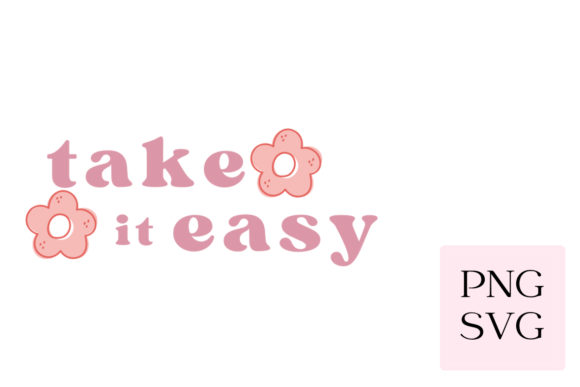
When you find a design element like Cute Red Flower. Floral Decorative Pattern, you’re holding a versatile key. This isolated graphic, available in EPS and JPG formats on a white background, is more than just a pretty image. It’s a functional, scalable asset built for creative application. Its core appeal lies in its simplicity and clarity. The clean outline, the vivid red hue, and the separation from a busy background make it immediately usable. This isn’t an abstract artistic concept; it’s a practical tool ready to be integrated into your projects.
Why This Pattern Element Matters
In a world saturated with complex visuals, straightforward, high-quality elements are invaluable. The cute red flower pattern offers a specific aesthetic: approachable, cheerful, and classic without being generic. Its isolation on white means it requires minimal technical preparation. You can drop it into layouts, change its color computationally, or resize it without losing quality, especially with the vector EPS file. For creators working under time constraints or with limited design software expertise, such a ready-to-use element is a productivity boost. It provides a starting point that is polished, eliminating the need to create a base illustration from scratch.
The “cute” descriptor is crucial. It speaks to an emotional tone—friendly, welcoming, and warm. This makes the pattern particularly effective for projects targeting audiences that value charm and approachability, from small businesses in the crafting or baking sector to educational materials for young learners or community event promotions. The decorative nature means it’s designed to embellish and enhance, not to dominate a composition.
Creative Directions and Practical Applications
The true power of a single element like this is revealed in its adaptations. Let’s explore concrete creative directions.
For Digital Designers and Marketers
Think beyond using the flower as a static icon. Consider these applications:
- Brand Accent Graphics: Use a single flower instance as a recurring visual motif across a brand’s touchpoints. It could be the subtle corner decoration on blog posts, the avatar for a social media community, or the background pattern for email newsletter headers. Consistency here builds recognition.
- Interactive Elements: Animate the flower for digital use. A gentle rotation or pulse can make it a captivating loading icon or a reward badge in an app interface. The red color naturally draws attention.
- Pattern Generation: Duplicate and arrange the isolated flower to create custom backgrounds for websites, promotional banners, or digital stationery. By controlling the spacing and density, you can create styles ranging from elegant and sparse to vibrant and dense.
For marketers, aligning the flower’s use with campaign emotions is key. A “cute red flower” pattern might perfectly suit a spring sale, a mother’s day promotion, or a launch for a product focused on joy and simplicity.
For Physical Products and Print Media
The high-resolution file ensures quality in print. Entrepreneurs and hobbyists can apply this pattern to tangible items.
- Product Decor: It can become the central design for a line of greeting cards, tote bags, ceramic mugs, or wrapping paper. The isolated file makes it easy for print-on-demand services to place it accurately.
- Educational and Instructional Materials: Educators creating worksheets or guides can use the flower as a thematic border or a symbol to denote “key points” or “fun activities.” Its non-threatening visual works well in learning environments.
- Event Collateral: From wedding invitations (where red can signify love) to community garden fundraiser flyers, the pattern provides an instant thematic link. Adjusting the saturation or pairing it with different typography can tailor its feel for the specific occasion.
Artistic Interpretation and Style Variation
Don’t feel constrained by the original form. Use it as a foundation for your own style.
- Color Variation: Change the red to any palette that suits your project. A muted pink might feel vintage, a deep burgundy more luxurious, or a gradient fill more modern. This simple change dramatically alters the mood.
- Texture and Detail Addition: Overlay textures onto the flower—a paper grain, a subtle watercolor wash, or a glitter effect—to integrate it into mixed-media digital art or give it a tactile feel for print.
- Compositional Experimentation: Break the pattern down. Use just the petal shapes as scattered elements, or combine multiple flowers into a larger, more complex wreath or mandala shape. The isolated element is a building block.
This approach keeps your work original. You’re not just copying and pasting; you’re adapting and integrating, ensuring the final design feels cohesive with your unique project vision.
Aligning with Audience and Platform
Effective use requires considering who will see it and where they will see it.
For a young, social-media-savvy audience, the pattern might be used boldly and dynamically—as a prominent background for Instagram story templates or TikTok video overlays. The “cute” factor aligns perfectly with light-hearted, visually-driven content.
For a professional audience, such as clients of a boutique consultancy, the application would be more restrained. Perhaps a single, small flower is used as a delicate watermark on presentation slides or in the footer of a report, adding a touch of human warmth without undermining professionalism.
On websites, consider loading times and responsiveness. Using the vector EPS format allows the flower to scale perfectly across mobile and desktop views without bloating file size. For print, ensure you’re using the high-quality JPG at the correct resolution to avoid pixelation.
Maintaining Clarity and Effectiveness
A decorative pattern should enhance, not obscure. When using Cute Red Flower. Floral Decorative Pattern, keep these principles in mind:
- Hierarchy: The pattern is usually a supporting element. Ensure text remains readable and primary calls-to-action are clear. If used as a background, test contrast ratios.
- Consistency: If it becomes a brand element, document its use. Specify acceptable sizes, colors, and contexts. This turns a cute graphic into a reliable part of a visual identity.
- Contextual Fit: Always ask if the flower’s tone matches your message. A cute red flower might not be the right choice for a serious financial report, but it could be perfect for a company’s internal wellness initiative announcement.
Ultimately, assets like this exist to serve your creative intent. They remove a technical barrier, allowing you to focus on composition, message, and audience connection. Whether you’re a designer crafting a brand identity, a blogger looking for a unique visual theme, or an entrepreneur designing your first product label, the practical utility of a well-made, isolated decorative pattern is immense. Start with the element, then make it yours through thoughtful application, variation, and a clear focus on the people you aim to reach and inspire.